



Support the growth of green hydrogen in Spain with a 5 MW electrolyzer
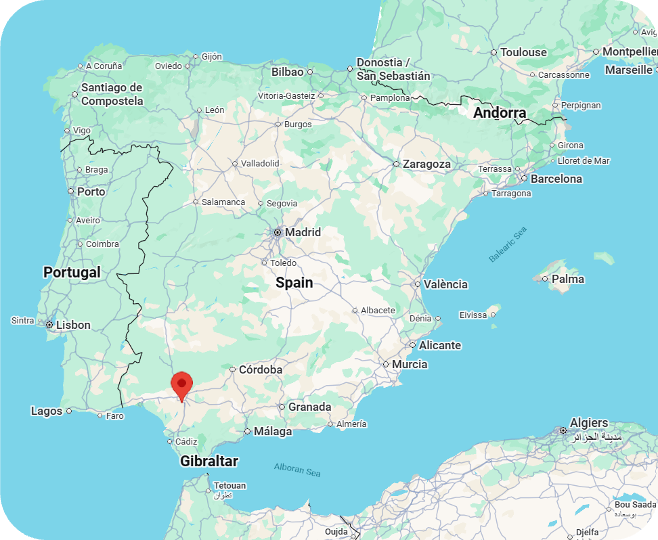
The H2 Green La Isla project aims to finance phase 2 of a technical optimization and performance improvement of a hydrogen production unit in Seville, Spain. This hydrogen project is led by SailH2 Energy SL, a Spanish company specializing in the development and promotion of large-scale green hydrogen projects, primarily focused on decarbonizing industry and heavy transport.
The fundraising campaign seeks to raise a second tranche of €1,000,000 , with a total funding target of €4 million. The funds will cover 44% of the capital expenditures (CAPEX) required for the hydrogen plant located in the Seville area, Spain.
The offer
Finance the expansion of a Spanish green hydrogen production platform by scaling up a 5 MW electrolyzer and optimizing its operation.
Objective
The operation aims to raise a second tranche of €1,000,000 with a ceiling that can be increased up to €2,000,000 . The total fundraising target is €4,000,000 in the form of senior debt.
Use of funds
The funds will be allocated to SailH2 Energy SL to finance 44% of the capital expenditure (CAPEX) required to optimize a hydrogen production and distribution site located in the Seville area, Spain.
Repayment
The repayment strategy is based on two options:
- The cash flows generated from the sale of hydrogen will allow the company to repay most of the debt and cover interest payments. The remaining portion will be covered through shareholder loans or capital increases .
- The agreement includes the option to refinance through a new crowdfunding campaign.
Guarantees
The guarantees consist of:
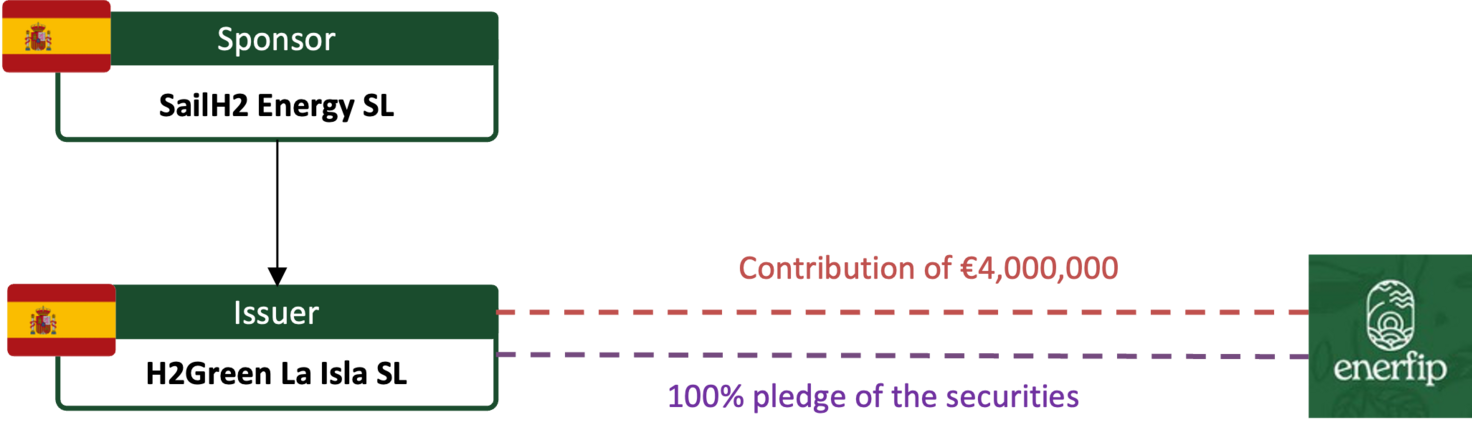
- Pledge over 100% of the shares of the issuer company H2Green La Isla SL.
If the fundraising target is not fully met within 9 months (extendable by an additional 3 months if €3M has already been raised), the pledge will be partially released in proportion to the shortfall. A minimum pledge of 51% of the share capital will be maintained at all times.
Financial structure
- Issuance of simple bonds in Spain by H2Green La Isla SL
- Maturity in 4 years with an annual interest rate of 11%
- Pledge over 100% of the shares of the Spanish issuer company H2Green La Isla SL.
Specifications
Investment phases
- Investment open to everyone
End of project financing
Resources
Simulator
Investment simulation
H2Green La Isla T2 -
Obligation
11%/year over 3.8 years
Simulation - Rate : 11% / year on 3.8 ans
Initial investment:
€5,000
Repayments and interest:
€7,090
In 4 transfers
| Date | Interest* | Capital | Amount |
| 20/07/2027 | €550 | €0 | €550 |
| 20/07/2028 | €550 | €0 | €550 |
| 20/07/2029 | €550 | €0 | €550 |
| 20/05/2030 | €440 | €5,000 | €5,440 |
| Total | €2,090 | €5,000 | €7,090 |
|
*Gross interest before tax, including all fees ( view taxation ) The dates are indicative. The final dates will be available once the project is officially closed. The result presented is not a forecast of the future performance of your investments. It is only intended to illustrate the mechanics of your investment over the investment period. The evolution of the value of your investment may vary from what is shown, either increasing or decreasing. |
|||
Interested in this project?
Sign up now to invest responsibly
The project
El proyecto desarrollado por H2Green La Isla implica la construcción de una instalación completa de hidrógeno que abarca producción, compresión, almacenamiento y distribución. Está estructurado en tres fases, cada una de las cuales amplía la capacidad de producción, almacenamiento e infraestructura de distribución.
La primera fase se encuentra actualmente en la etapa de COD y entregará los primeros kg de hidrógeno durante el tercer trimestre de 2026.
Una planta solar de 1,83 MWp, instalada en la cubierta de un edificio adyacente, está operativa desde el primer trimestre de 2026. Suministra electricidad directamente a la unidad de producción de hidrógeno en configuración off-grid , garantizando una fuente de energía renovable y autónoma.
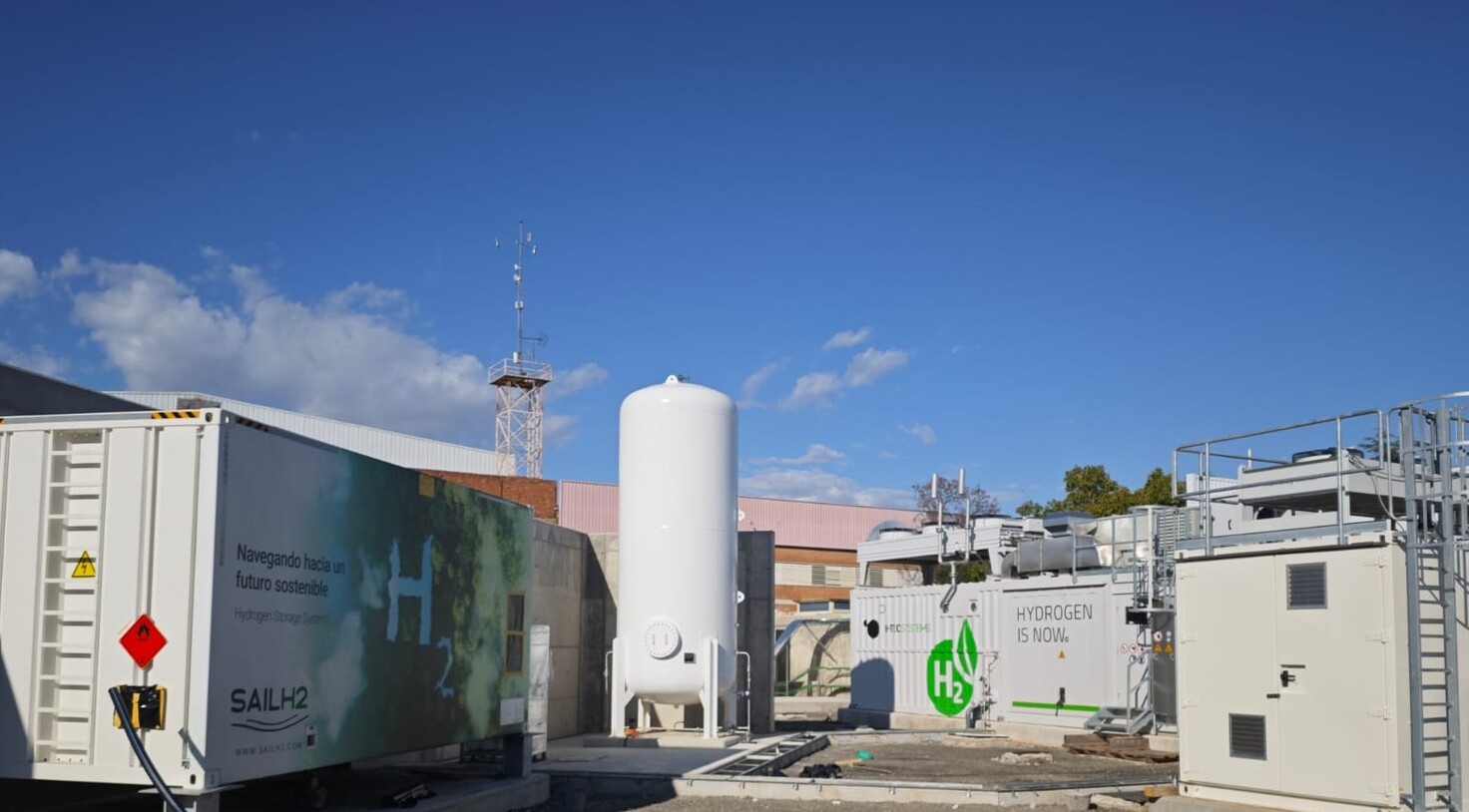
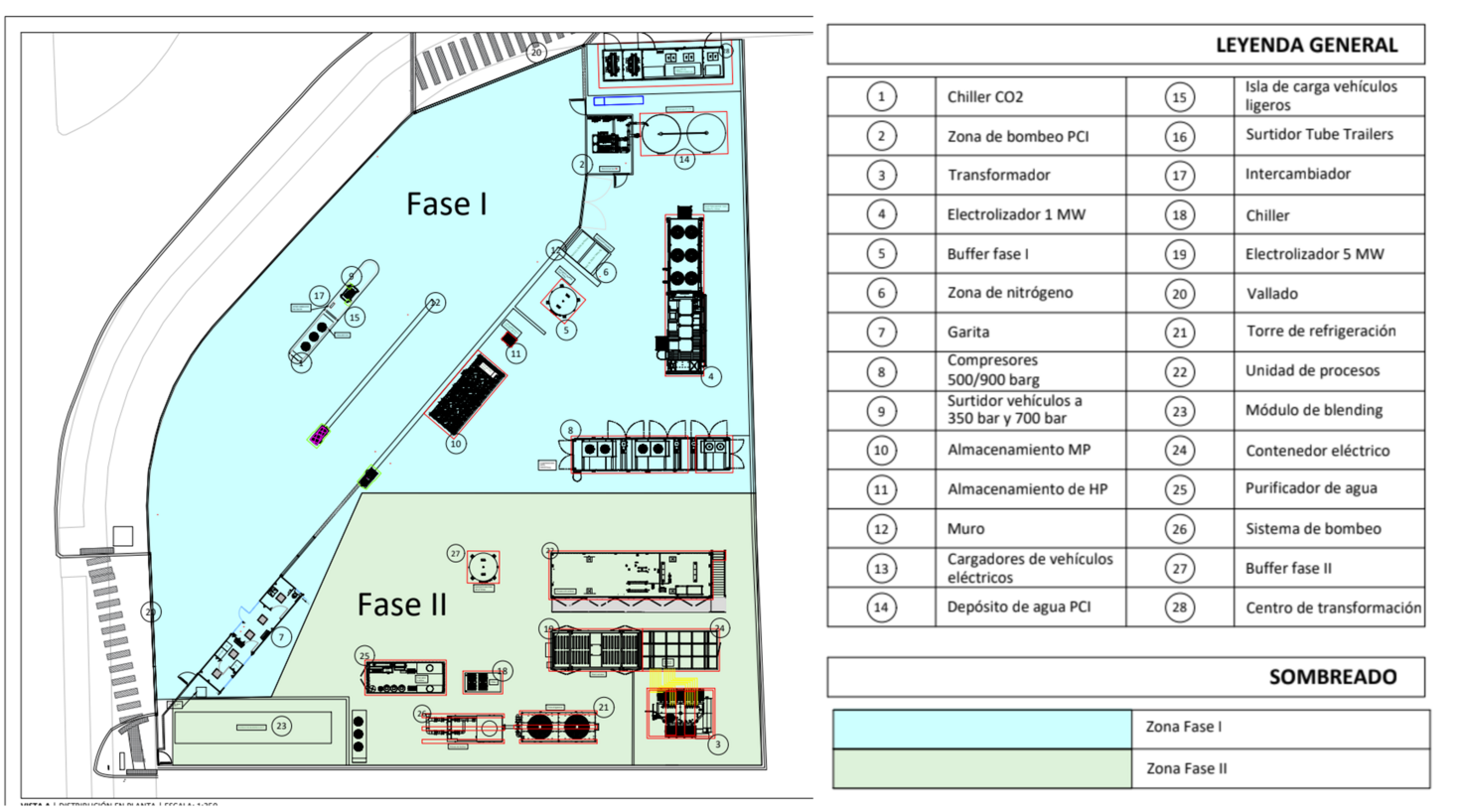
El sitio de hidrógeno se divide principalmente en dos zonas: • Zona de producción • Zona de distribución o repostaje
La instalación tiene como objetivo garantizar el suministro de hidrógeno verde para vehículos públicos y privados que operan las 24 horas del día, los 7 días de la semana. El hidrógeno se dispensará a camiones cisterna que transportan hidrógeno a otros puntos de consumo, así como se inyectará en la red existente de distribución y transporte de gas natural.
Reconocimiento estratégico regional:
El proyecto ha sido formalmente integrado en la Unidad de Aceleración de Proyectos de la Junta de Andalucía (acuerdo del Consejo de Gobierno, julio de 2022), otorgándole el estatus de proyecto estratégico a nivel regional . Como resultado, se beneficia de procedimientos administrativos acelerados para la obtención de los permisos y autorizaciones necesarios.
Detalles y especificaciones técnicas de las fases del proyecto
El proyecto está estructurado en tres fases sucesivas , escalando progresivamente la capacidad de producción, almacenamiento y distribución de hidrógeno. La financiación actual, a través de Total Energies Invest, respalda la Fase 2 (Industria y Gas) , actualmente lista para construcción ( Ready-to-Build ) y con comercialización prevista para el primer trimestre de 2027. Esta fase añade una capacidad de electrólisis alcalina de 5 MW junto a la unidad PEM existente de 1 MW, se conecta a la red nacional de distribución de gas (3 MW) y alcanza una producción anual total de 680 toneladas de hidrógeno (tH₂), con un CAPEX total de aproximadamente 9 millones de euros.
💡 ¿PEM y Alcalina? Son dos tecnologías complementarias utilizadas para producir hidrógeno a partir de agua y electricidad: la PEM (Membrana de Intercambio de Protones) es ideal para respuestas rápidas y producción a pequeña escala, mientras que la electrólisis alcalina es más rentable a gran escala industrial.
| Categorías |
Fase 1
Movilidad |
Fase 2
Industria y Gas |
Fase 3
Gas |
|
|---|---|---|---|---|
| Proyecto | Descripción de obras | Planta solar + electrolizador + almacenamiento + distribución | + electrolizador + almacenamiento + distribución | + electrolizador + almacenamiento + distribución |
| Estado del proyecto | COD | Lista para construcción (RtB) | En desarrollo | |
| Comercialización | Jul-26 | Q1 2027 | Por confirmar (TBC) | |
| Técnico | Potencia (Electrolizador) | 1 MW | 1+5 MW | 1+5+20 MW |
| Producción nominal (Electrolizador) | 210 Nm³/h (18,9 kg/h) | + 1.000 Nm³/h (89,9 kg/h) | + 3.450 Nm³/h (310 kg/h) | |
| Potencia (FV) | 1,5 MW | 1,5 MW | 1,5 MW | |
| Conexión a red nacional (H₂) | 0 MW | 3 MW | 20 MW | |
| Tecnología del electrolizador | PEM | + Alcalina | + Alcalina | |
| Producción anual máxima (tH₂) | 136 | 680 | 2.720 | |
| Distribución |
Dispensador doble HRS
350 bar / 700 bar + 1 plataforma de remolque cisterna 200 bar y 500 bar |
+ Red de distribución de H₂ 3 MW (Q1 2027) | + Red de transporte de H₂ 20 MW | |
| Financiero | Inversión total (CAPEX) | 4.668.100 € | 9.049.700 € | Por confirmar (financiación con Bankinter prevista) |
Enfoque en la Fase 2 (financiación de Total Energies Invest):
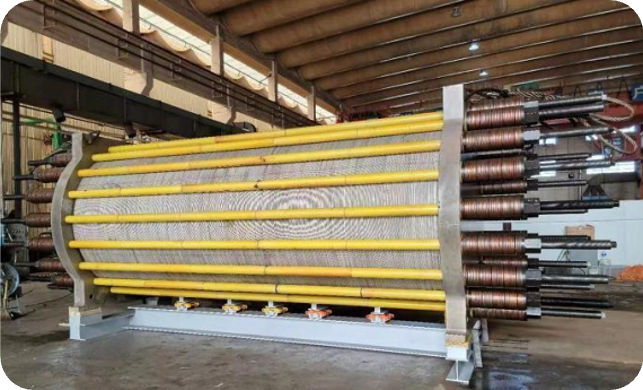
La Fase 2 marca un aumento significativo de la capacidad de la instalación, transicionando del uso local en movilidad hacia la producción de hidrógeno a escala industrial y la inyección en la red de gas. El elemento central de esta fase es un electrolizador alcalino de 5 MW suministrado por HQHP, especialista en tecnologías de producción de hidrógeno, e instalado bajo un contrato EPC llave en mano gestionado por GAS ECO.
Cuatro puntos clave de este proyecto:
-
Aumento de la capacidad de producción: El electrolizador de 5 MW permite producir volúmenes significativamente mayores de hidrógeno, haciendo que la instalación sea adecuada para uso industrial o distribución a mayor escala.
-
Mejora de la flexibilidad operativa: Los tanques de amortiguación adicionales (3 m³ y 25 m³) permiten una mejor gestión de las fluctuaciones entre producción y consumo, suavizando los flujos y evitando paradas frecuentes.
-
Refuerzo de la cadena de compresión y almacenamiento: La adición de un segundo tanque de amortiguación aumenta la capacidad de acondicionar el hidrógeno a diferentes niveles de presión, esencial para cumplir con diversas aplicaciones (almacenamiento intermedio, distribución, movilidad).
-
Aumento de los volúmenes de almacenamiento: El almacenamiento a media y alta presión permite acumular mayores reservas, mejorando la autonomía operativa de la estación y su capacidad para satisfacer tanto la demanda continua como los picos.
Distribución en red — Alianza con Nedgia
El hidrógeno se inyectará en la red de distribución de gas segura mediante un acuerdo de 25 años con Nedgia, el principal operador de distribución de gas en España.
| Parámetro | Valor |
|---|---|
| Flujo mínimo | 40 Nm³/h |
| Flujo máximo | 1.000 Nm³/h |
| Coste de conexión a red (CAPEX) | 1.279.142 € |
| Puesta en marcha prevista | Q1 2027 |
| Coste operativo anual (OpEx) | 6.412 €/año (sin IVA) |
Se requerirá un PPA (Power Purchase Agreement) de +43.800 MWh/año para permitir la producción de hidrógeno las 24 horas del día, más allá del suministro solar in situ.
Alcance de Ingeniería, Adquisición y Construcción (EPC)
El contrato EPC cubre la ingeniería completa, diseño, supervisión técnica y entrega llave en mano de la fase, liderado por GAS ECO , especialista en integración de sistemas de hidrógeno e infraestructura. Incluye: • Un electrolizador alcalino de 5 MW desarrollado por HQHP, proveedor líder de tecnologías de producción de hidrógeno. • Un sistema de compresión de alta presión que permite: • Un tanque de amortiguación de 20 m³ a 30 bar y un módulo de inyección a red para mezclar H₂ con gas natural en la red.
Principales actores para la construcción
| Servicio | Empresa | Detalles |
|---|---|---|
| Proyecto llave en mano |
|
Empresa especializada en la distribución de gases industriales, con creciente enfoque en hidrógeno. |
| Instalación eléctrica |

|
Empresa española especializada en construcción, infraestructura y proyectos industriales, con creciente presencia en el sector de energías renovables. |
| Ingeniería civil |

|
Empresa española especializada en construcción, infraestructura y proyectos industriales, con creciente presencia en el sector de energías renovables. |
| Electrolizador |

|
Hydrogen Refuelling & Energy Solutions, empresa china especializada en electrolizadores alcalinos. |
¿Qué hay del mercado español de hidrógeno?
Visión 2030:
El Plan de Hidrógeno de España (Ministerio para la Transición Ecológica y el Reto Demográfico - MITECO, 2020) posiciona al hidrógeno verde como un pilar estratégico de la transición energética del país, con objetivos en sectores difíciles de electrificar. Un plan de inversión de 8.900 millones de euros (60 medidas) respalda un objetivo de 12 GW de capacidad de electrolizadores para 2030 , contribuyendo al objetivo europeo de 40 GW, respaldado por los fuertes recursos solares y eólicos de España.
Más allá de 2030, el MITECO anticipa una aceleración hacia una economía basada en hidrógeno, con el hidrógeno renovable jugando un papel central en la consecución de un sistema energético totalmente descarbonizado para 2050 .
| Indicador | Valor | Detalle |
|---|---|---|
| Capacidad instalada de electrolizadores en España para 2030 | 12 GW | Objetivo nacional de desarrollo de hidrógeno |
| Producción estimada para 2030 | 2,5 Mt/año | De las cuales 1 Mt/año para consumo interno |
| Participación del sector industrial en el consumo de hidrógeno | 25% | Mercado clave para el hidrógeno verde |
| Inversión en proyectos de producción de hidrógeno renovable | 8.900 millones de euros | Capital comprometido en toda España |
| Reducción de emisiones de CO₂ | 4,6 millones de toneladas | Emisiones evitadas anuales esperadas |
Visión 2040 y oportunidades de mercado:
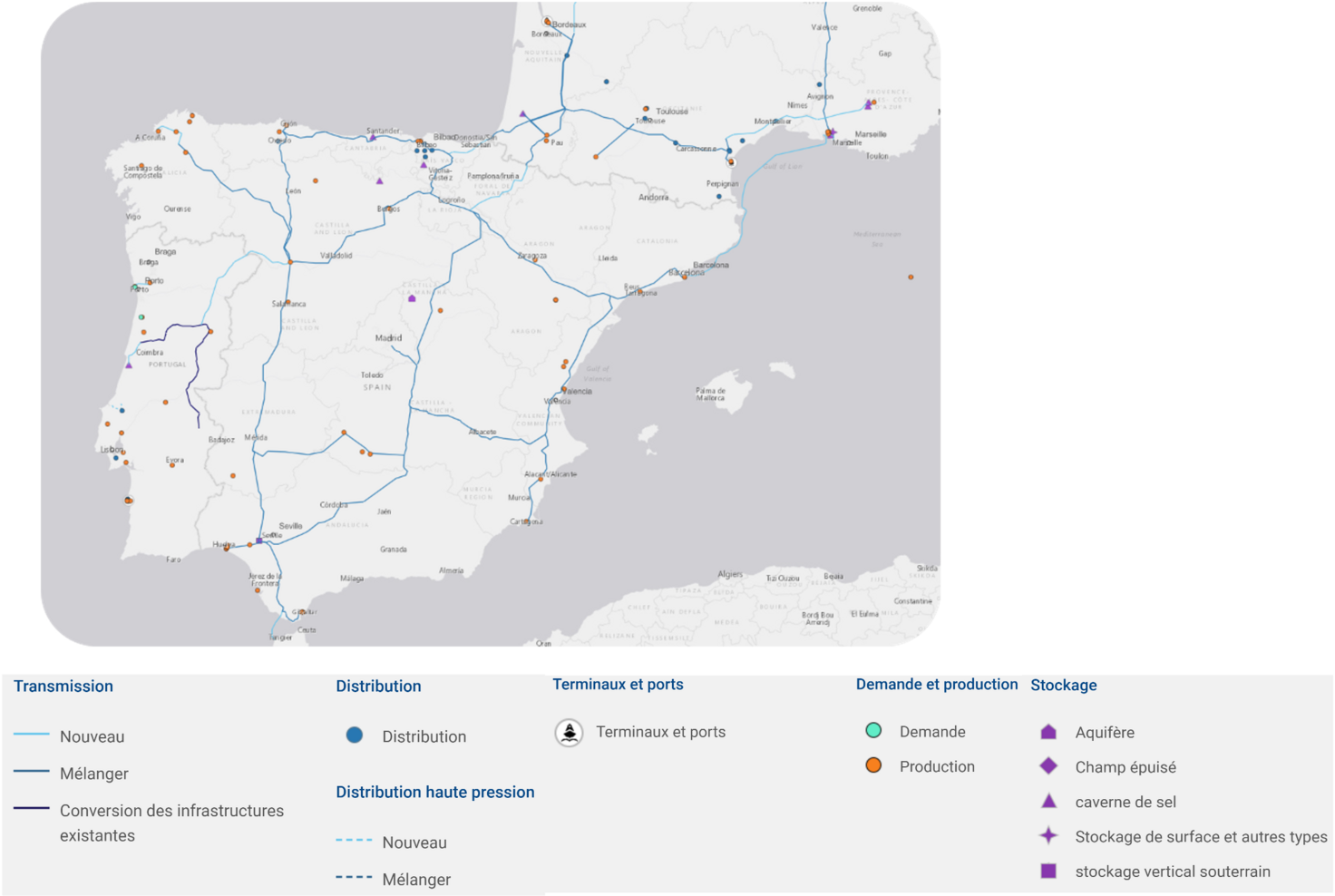
La Red Europea de Hidrógeno (European Hydrogen Backbone - EHB) es una iniciativa industrial europea destinada a crear una red de transporte de hidrógeno interconectada a nivel continental. Reúne a operadores de infraestructura gasística (TSOs) de varios países, buscando convertir gasoductos existentes y construir nuevos para conectar centros de producción, importación y consumo de hidrógeno bajo en carbono.
| Indicador | Valor |
|---|---|
| Lanzamiento | 2020 |
| Miembros | Más de 30 operadores de transmisión europeos |
| Objetivo de red para 2040 | 53.000 km |
| Gasoductos reutilizados | ~60% |
| Cobertura geográfica | 28 países europeos |
En este contexto, España se está posicionando como un futuro centro estructural de hidrógeno verde en Europa , aprovechando uno de los recursos renovables más competitivos del continente. Finalmente, la transformación gradual de la red gasística nacional, liderada en particular por Enagás, es un motor clave para acelerar el aumento de la capacidad de exportación. Para 2030, España aspira a pasar de ser consumidora de hidrógeno gris a ser exportadora neta de hidrógeno verde a Europa.
Enfoque en el hidrógeno
El mercado de hidrógeno verde está dominado por dos tecnologías complementarias de electrólisis: alcalina y PEM .
Alcalina es la más madura y ampliamente desplegada a escala industrial. Su menor CAPEX y robustez probada la hacen ideal para aplicaciones continuas e intensivas (química, refinería, amoníaco). Utiliza una solución de hidróxido de potasio como electrolito, opera a baja densidad de corriente y tiene una flexibilidad limitada para fluctuaciones rápidas de energía.
Membrana de Intercambio de Protones (PEM) utiliza un electrolito de polímero sólido, permitiendo una respuesta más rápida a fuentes de energía renovable intermitentes (eólica, solar) y una salida de hidrógeno de alta pureza. Es más adecuada para perfiles energéticos variables, pero sigue siendo más costosa debido a su dependencia de materiales críticos y una cadena de suministro aún en maduración.
Ambas tecnologías funcionan mediante la división de moléculas de agua en hidrógeno y oxígeno utilizando corriente continua aplicada a dos electrodos.
### Further reading
💡Article by Total Energies Invest on investing in hydrogen
💡Everything you need to know about green hydrogen
💡Taxation of bonds in Spain
Interested in this project?
Sign up now to invest responsibly
Project owners

 Spain
Spain
SAILH2 develops “Power-to-Hydrogen” projects from start to finish, meaning:
- Production of renewable electricity (solar/wind).
- Use of this electricity in electrolyzers to produce hydrogen.
- Distribution of this hydrogen for industrial or mobility applications.
Main target markets are:
- Heavy industry (steel, chemicals, ammonia)
- Heavy transport (trucks, buses, trains)
- Ports and logistics centers
- Replacement of gray hydrogen in industry
Project History
Herogra Project (Granada – 0.5 MW)
With the goal of reducing its CO₂ emissions, HEROGRA FERTILIZANTES is a project based on the use of hydrogen as fuel in thermal processes, using solar energy supplied by a photovoltaic installation located on the factory roof to produce renewable hydrogen.
Equipment: – Alkaline electrolyzer – Intermediate storage to adjust production to boiler consumption – Hydrogen-natural gas mixing system, including pressure regulation, flow, and control devices (mixer)
Gedisol Project (Jaén – 1.8 MW)
The hydrogen production and distribution unit is 100% renewable, as the energy used in this process comes from a photovoltaic solar plant. Part of the electricity is used for on-site consumption, while another part is used to produce hydrogen through an electrolyzer located on-site. The hydrogen produced is then distributed to all consumption points for various uses: as fuel in thermal production processes, as fuel for heavy and light vehicles, as well as for manufacturing processes, among others.
Equipment: – 6 MW photovoltaic plant – Electrolyzers (6 modules of 300 kW) – Hydrogen storage system – Monitoring and control system
Meet the Team
Fernando Isorna Llerena — Founder PhD in Industrial Chemical Engineering. Head of the Energy Laboratory at INTA. Over 30 years of experience in developing green hydrogen projects.
José Fernández de Cabo — Founder Degree in Business Administration and Management. Chief Financial Officer (CFO) of SAILH2. President of FNV.
Eduardo Rituerto García — Founder Telecommunications Engineer. Over 10 years of experience in business development at ABENGOA.
Eduardo López González — Founder PhD in Industrial Engineering. Head of Renewable Energy at INTA. Over 30 years of experience in developing green hydrogen projects.
Eduardo Almagro Blanco — Founder Degree in Law and Business Administration. Chief Executive Officer (CEO) of SAILH2.
Marina Rosales Martínez — Permits Manager PhD in Industrial Engineering. Over 10 years of experience in permit management at the Junta de Andalucía.
Our analysis
Risk overview
Construction risks
Risk related to errors or defects during assembly that may affect the final quality of the product
Mitigation methods
The project will be carried out by experienced partners, with clearly defined responsibilities, thereby reducing the risk of delivery failures. Some of the partners have also previously worked on the site during Phase 1.
Construction risks
Risk of higher construction costs due to rising raw material prices
Mitigation methods
The project is based on supplier quotations and structured EPC contracts, which help to control the risk of investment cost overruns.
Construction risks
Risk of construction delays or failure to complete the work
Mitigation methods
The project has secured the supply of critical equipment through agreements with identified suppliers, thereby minimising the risk of delays or shortages.
Counterparty risk
Risk associated with emerging markets in which there are only one or a small number of electricity consumers, not necessarily with a strong balance sheet or credit history.
Mitigation methods
The project is operating in a hydrogen market that is still in its early stages, which could lead to volatility in valuations; however, its positioning in a rapidly growing market supported by government policy helps to mitigate this risk in the medium to long term.
Counterparty risk
Risk of counterparty payment default that would jeopardize the project's cash inflows
Mitigation methods
The project is based on identified counterparties and is subject to structured contractual negotiations (off-take, supply), with risk mitigation mechanisms currently being put in place to limit the risk of default in a market that is still taking shape.
Refinancing risk
Credit risk related to the company's ability to refinance and meet its debt obligations.
Mitigation methods
Repayment of the financing depends on the project’s ability to generate revenue through the sale of hydrogen in a market that is still taking shape; refinancing may be necessary, with visibility remaining dependent on the securing of off-take contracts. The project’s cash flows are based on hydrogen sales, exposing the project to liquidity risk in the event of delays in commercial ramp-up or volatility in the selling price per kilogram. The project relies on identified counterparties and is subject to structured contractual negotiations (off-take, supply), with security mechanisms currently being put in place, limiting the risk of default in a market that is still taking shape.
Regulatory risks
Risk of changes in regulations applicable to the sector, involving reductions in subsidies or new taxes with a significant impact on project revenues.
Mitigation methods
The project complies with current regulatory and certification frameworks (particularly regarding green hydrogen), with ongoing monitoring of evolving requirements, thereby minimising the risk of non-compliance despite the regulatory environment still being in its early stages.
Market risk
Risk related to being in a competitive market where new players enter the competition each year
Mitigation methods
The project is well positioned in a rapidly growing market, which limits competitive risk at this stage of development.
Market risk
Risk of falling prices leading to a drop in income.
Mitigation methods
The sales contract locks in prices for the next five years. Other long-term contracts with fixed prices are currently being negotiated.
Operating risks
Risk of poor project operation, faulty workmanship or machine breakdown resulting in poor performance.
Mitigation methods
The project provides for operations to be managed by experienced operators and in accordance with established operational procedures, thereby minimising the risk of malfunctions. The project includes maintenance contracts with equipment suppliers, enabling costs to be forecast and the risk of disruption to be reduced.
Operating risks
Risk of poor yield estimation
Mitigation methods
The production forecasts for the solar power plant supplying part of the energy have been validated by technical studies, incorporating conservative margins to minimise the risk of performance shortfalls.
Operating risks
Risk of delays in the supply chain
Mitigation methods
The project has secured the supply of essential equipment through agreements with selected suppliers, thereby minimising the risk of delays or shortages. The long-term aim is to secure the supply of electricity through power purchase agreements (PPAs).
Operating risks
Technological risk that the system will not perform as expected, or that performance will degrade more rapidly than anticipated.
Mitigation methods
The project is based on tried-and-tested technologies supplied by recognised providers, thereby minimising the risk of failure or obsolescence.
Investing in this participatory financing project involves risks, including the risk of total or partial loss of the capital invested. Your investment is not covered by the deposit guarantee schemes established in accordance with directive 2014/49/EU of the European Parliament and of the Council . Your investment is also not covered by the investor compensation schemes established in accordance with Directive 97/9/EC of the European Parliament and of the Council . Return on investment is not guaranteed. This is not a savings product, and we recommend that you not to invest more than 10% of your net assets in participatory finance projects. You may not be able to sell the investment instruments when you wish. If you are able to sell them, however, you may incur losses.